Fibermaxxing vs Protein Maxxing: Which Gap Are You Actually In?
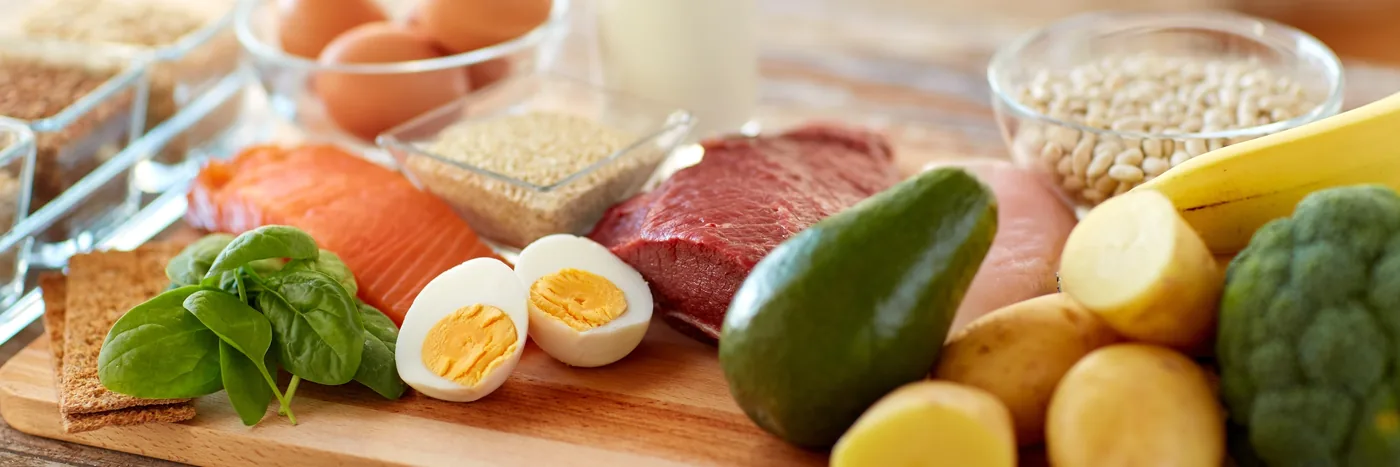
For a decade, "high protein" has been the most profitable phrase in the grocery store. Protein cereal, protein water, protein candy. It worked because protein has real benefits and a great story: muscle, strength, satiety. But here's the number the protein aisle never mentions: most Americans already eat enough protein. The deficiency was never there.
The fiber numbers are the mirror image. More than 90 percent of women and 97 percent of men miss the fiber target, with typical intake at 10 to 15 grams against recommendations of 25 to 38. One nutrient has the marketing. The other has the actual deficiency, the one we call The Fiber Gap. That gap is why fiber is having its moment: CNBC called fiber "the next protein" in its reporting on the grocery industry, quoting PepsiCo's CEO, and companies from Nestle to Olipop are reformulating around it.
The Honest Comparison
| Protein maxxing | Fibermaxxing | |
|---|---|---|
| Typical American intake | At or above the recommended baseline | Roughly half the recommended target |
| Strongest benefits | Muscle retention and growth, satiety, recovery | Cholesterol, blood sugar, digestion, gut microbiome, colon cancer risk, satiety |
| Who genuinely needs more | Lifters, athletes, older adults losing muscle, people on GLP-1 drugs | Almost everyone else, statistically |
| Risk of overdoing it | Mostly wasted money; excess is burned or stored | Gas, bloating, and at 50+ g/day, reduced mineral absorption |
| Cost of the habit | Powders, bars, and meat get expensive | Beans, oats, and lentils are among the cheapest foods sold |
Where Protein Still Wins
None of this makes protein maxxing wrong for the people it was designed for. If you lift seriously, if you're over 60 and fighting sarcopenia, or if you're on a GLP-1 medication and eating far less overall, protein per meal is a real priority backed by real evidence. Fiber does not build muscle. This site has no interest in pretending otherwise.
Where Fiber Wins
Fiber wins on the population math. If you're a typical eater, your protein gap is around zero and your Fiber Gap is 10 to 25 grams a day, every day, for years. Closing a deficiency beats stacking a surplus. Fiber also wins on breadth: the benefits touch cholesterol, blood sugar, gut health, and long-term disease risk rather than one tissue. And it wins on price, embarrassingly. A month of lentils costs less than a week of protein bars.
The Answer Is a Plate, Not a Team
The framing of fiber versus protein is content-machine bait, and we're aware of the irony of saying so on a page named after it. The two nutrients are teammates. Beans, lentils, and chickpeas deliver both at once, which is why they anchor the meal plan. A practical rule that requires no tracking apps: build each meal around a protein and a plant, make the grain whole, and let breakfast carry 10+ grams of fiber. That single pattern quietly maxxes both.
If you're starting from a standard diet, begin with the fiber side, because that's where your gap is, and begin slowly: the four-week ramp exists because enthusiasm plus 35 sudden grams equals regret.