Best Fiber Supplements for Fibermaxxing: Why Cheap Psyllium Usually Wins
First, the frame: supplements are the bench, not the starting lineup. Whole foods should carry most of your fiber because they bring both fiber types plus the nutrition powders lack. Where a supplement earns its shelf space is the last 5 to 10 grams on days that fall short, travel weeks, and anyone whose doctor specifically recommended one. If you came here to replace vegetables with a scoop, read the mistakes page first.
Second, the market: fiber supplements are a category where the heavily advertised product and the best product are usually different things, and the price gap between them is roughly five to one for the same active ingredient.
The Short Version
Best for most people: plain psyllium husk from a bulk brand like Anthony's or NOW. Same psyllium as Metamucil at roughly $0.05 to $0.12 per serving instead of $0.25 to $0.40.
Best food-first option: chia seeds. About 10 g of fiber per ounce, plus omega-3s and protein, and it goes in food instead of a glass.
Best if texture is a dealbreaker: Benefiber (wheat dextrin). Dissolves clear and gritless, though the evidence behind psyllium is stronger.
The rule that applies to all of them: start at half a dose, take with a full glass of water, and ramp slowly.
Why Psyllium Is the Benchmark
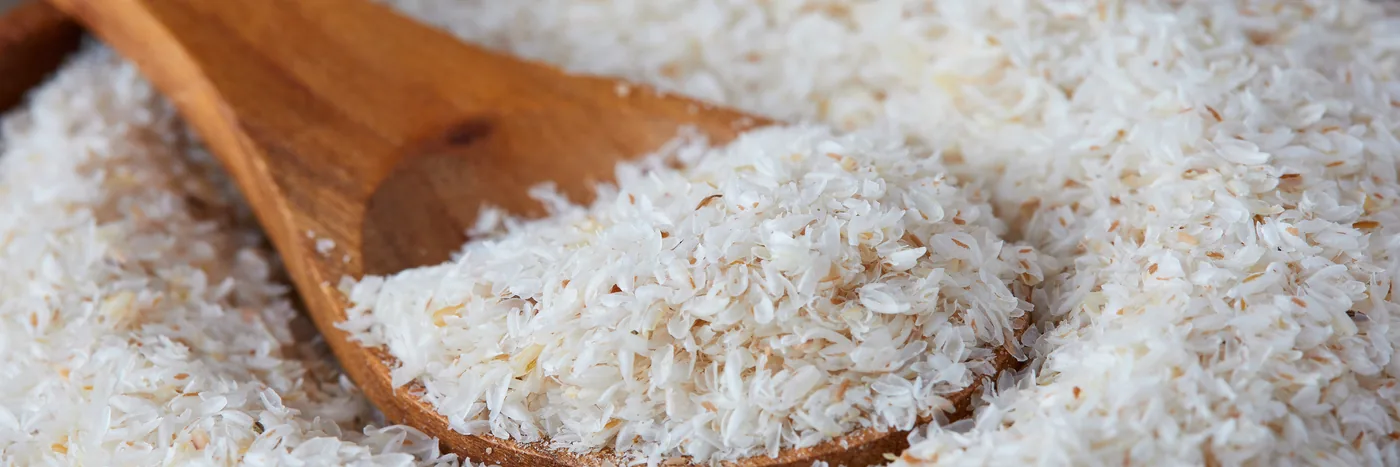
Psyllium husk is about 70 percent soluble and 30 percent insoluble fiber, and it's the most studied fiber supplement there is, with meaningful evidence behind it for regularity and for modest LDL cholesterol reduction. It's what's inside Metamucil. It's also sold plain, in bags, for a fraction of the price. Mayo Clinic notes fiber supplements are generally safe for daily use for most people, with the usual caveats: fluids, gradual introduction, and a conversation with your doctor if you take medications, since fiber can affect absorption timing.
The Options, Honestly Compared
Plain psyllium husk (Anthony's, NOW, or similar bulk brands)
Fiber type: psyllium, ~70% soluble
Typical cost: roughly $0.05 to $0.12 per serving in bulk (a 1.5 lb bag runs months)
Form: whole husk or powder; powder mixes easier, husk adds texture to oatmeal and baking
Pros
- Identical active fiber to the famous brand at a fraction of the cost
- Single ingredient, no sweeteners or colors
- Works in food: oatmeal, smoothies, baking
Cons
- Texture is gluey if you let it sit in water; drink it promptly or hide it in food
- Must be taken with plenty of fluid, no exceptions
- No flavoring, which is a pro or a con depending on you
Chia seeds (BetterBody, Viva Naturals, or similar)
Fiber: about 10 g per ounce (2 tbsp)
Typical cost: a 2 lb bag was $13 to $14 in August 2026, roughly $0.44 per 10 g serving
Bonus: plant omega-3s, ~5 g protein per ounce
Pros
- It's food, so it dodges the whole supplement-vs-food problem
- Ten grams per ounce is the densest practical fiber source in the pantry
- Neutral taste; disappears into yogurt, oats, and smoothies
Cons
- More expensive per gram of fiber than psyllium
- Needs liquid; dry chia followed by water expands on the way down, so mix it first
Metamucil 4-in-1 psyllium powder
Fiber type: psyllium, same as the bulk bags
Typical cost: roughly $0.25 to $0.40 per serving depending on size and retailer
Note: flavored versions contain sweeteners; sugar-free uses aspartame, the regular uses real sugar
Pros
- Flavoring makes daily compliance easier for some people, and compliance is the whole game
- Available in every pharmacy and grocery store in America
- Capsule version exists if powders are a no
Cons
- You're paying a multiple of the bulk price for orange flavor and a brand
- Flavored versions add sweeteners some people would rather skip
Benefiber (wheat dextrin)
Fiber type: wheat dextrin, fully soluble, dissolves clear
Typical cost: mid-range; the large canisters are among the cheaper branded options per serving
Note: gluten is processed out to below labeling thresholds, but celiac-cautious buyers should verify current labeling
Pros
- Truly invisible in coffee, soup, or water; no grit, no gel
- Gentle for many people who find psyllium heavy
Cons
- Weaker evidence base than psyllium, particularly for cholesterol
- Doesn't provide the stool-forming gel that makes psyllium effective for regularity
What We Skipped, and Why
Gummy fiber supplements deliver small fiber doses with added sugar or sugar alcohols, at the highest cost per gram in the category. Inulin and chicory-root powders are cheap but rank among the gassiest fibers, a rough combination for anyone new to this. Neither earns a slot when psyllium and chia exist. And nothing on this page fixes a low-fiber diet: the actual foundation is the pantry and the meal plan.
How to Use Whichever One You Pick
- Start with half the label dose for the first week.
- Always with a full glass of water, and keep daily water at 6 to 8 cups minimum.
- Take fiber supplements a couple hours apart from medications; bulk fiber can slow absorption. Ask your pharmacist about your specific list.
- If you have IBS, IBD, SIBO, or a stricture history, this entire page is a doctor conversation first. See the health disclaimer.